Franciscan Children’s New Inpatient Building
SUE Exploratory
Project Overview
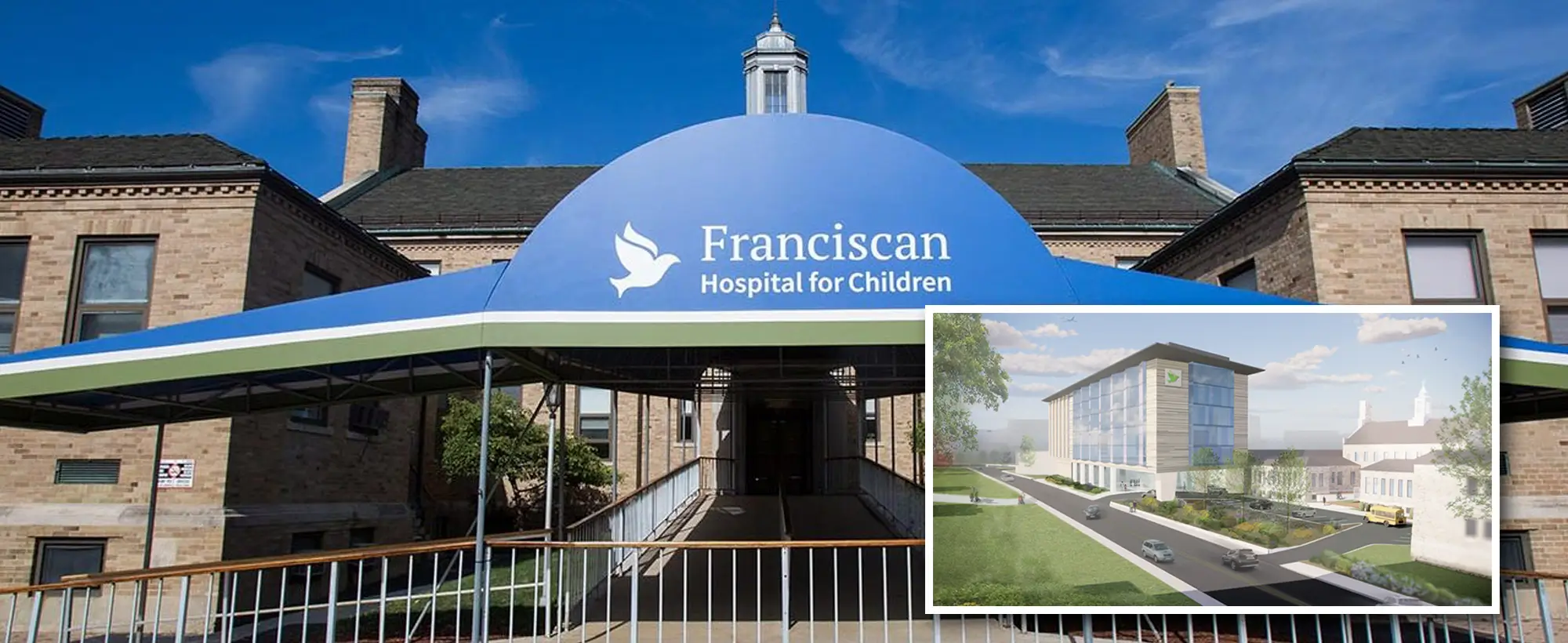
This transformative $300M expansion introduces a new 229,000-square-foot, seven-story inpatient building on the Franciscan Children’s campus. Designed to meet LEED Gold standards, the facility consolidates behavioral and rehabilitative care, replacing six outdated buildings and introducing enhanced pedestrian access, rain gardens, and other sustainability features.
BSI’s Role: Subsurface Utility Engineering
BSI Engineering, Inc. provided full-scope SUE services to support early design and construction coordination. All work was performed to ASCE 38-22 standards, in close collaboration with Consigli Construction and VHB, Inc.
Services Provided
Utility Designation (QL-B):
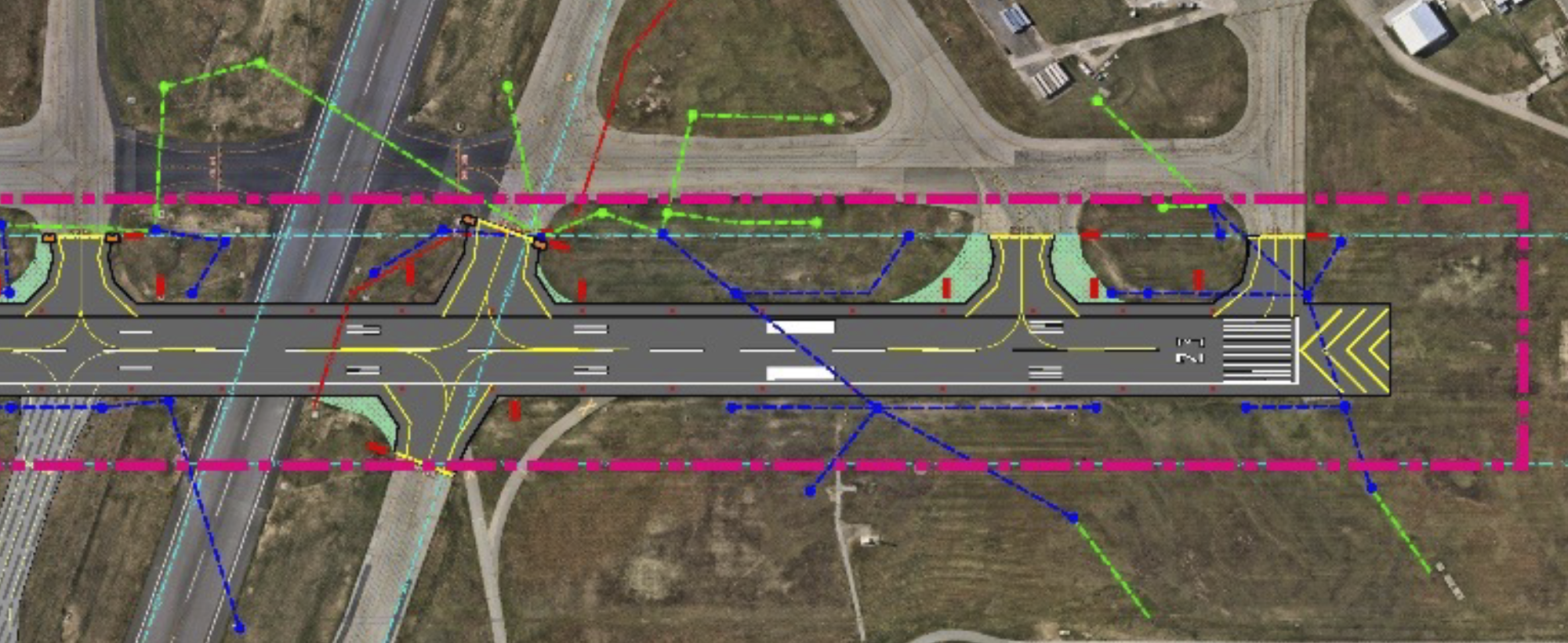
Electronic locating and mapping of all traceable underground utilities—water, sewer, storm, gas, electric, telecom, and air—across the project site and connection points to Warren and Cambridge Streets.
High-Pressure Jetting & CCTV Inspections:
Lines were cleared with high-pressure jetting prior to internal video inspections. Using robotic and push cameras, our team documented pipe size, material, alignment, inverts, and structural condition.
Vacuum Excavation (QL-A):
Non-destructive test pits at key utility crossings exposed depth, material, and alignment to verify utility designations and support conflict-free construction.
Mechanical Room Coordination:
Interior investigations traced utility service connections from mechanical spaces to exterior systems, coordinated carefully to maintain operational continuity within the active hospital campus.
Survey & CAD Integration:
All data was surveyed and delivered in CAD using project site control. Our utility mapping directly supported design coordination and relocation planning.
Traffic & Safety Management:
We managed pedestrian access, vehicle traffic and utilized police details for all right-of-way work along Warren Ave and Cambridge Streets.
Key Results
- Verified utility data reduced risk of construction conflicts
- Utility design coordination supported LEED-driven infrastructure
- All services delivered without disruption to campus operations
- Streamlined project phasing and cost control
Project Details
DATE
2024
CLIENT / PROJECT OWNER
Franciscan Children’s